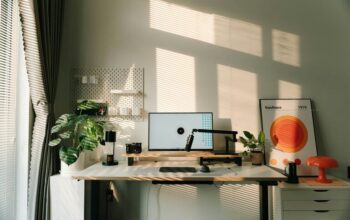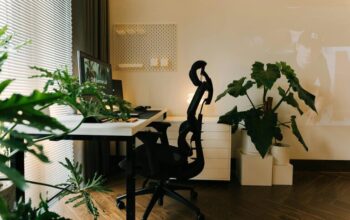
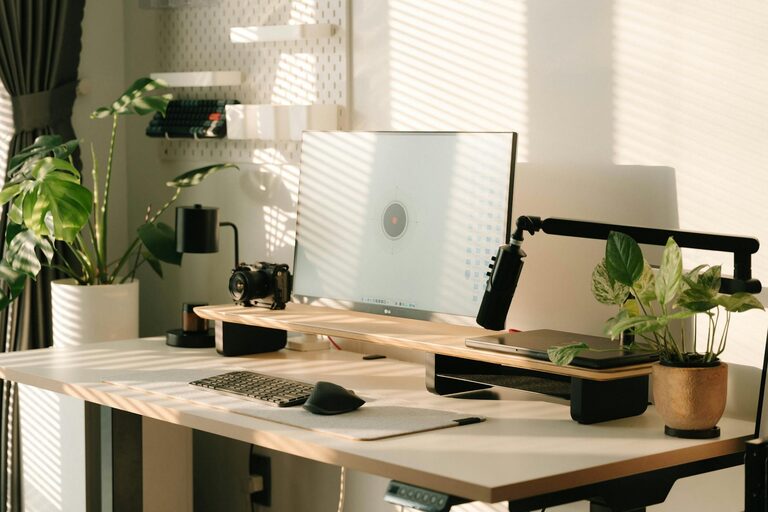
Creating a productive home workspace can significantly improve focus, efficiency, and overall work satisfaction. Whether you are a remote employee, freelancer, student, or run a home-based business, designing a workspace that fits your lifestyle and needs is essential. In this post, we’ll explore practical tips to help you create a home office where you can thrive, tailored to diverse routines and preferences.
Understand Your Work Style and Needs
Before setting up your workspace, reflect on how you work best. Are you an early riser who enjoys natural morning light, or do you prefer quiet evenings? Do you need a lot of desk space for creative projects, or is your work mostly done on a laptop? Understanding your habits helps you design a space that supports your productivity.
– Identify your peak productivity hours.
– Determine if you require privacy or prefer background activity.
– Consider the types of tasks you perform regularly.
Choose the Right Location
Selecting the ideal spot at home can make a big difference. Here’s what to keep in mind:
– Noise levels: If you need silence, opt for a quiet room or a corner away from busy areas.
– Lighting: A space with natural light can boost mood and alertness. If unavailable, invest in good artificial lighting.
– Space: Ensure your workspace fits your equipment and supplies comfortably without feeling cramped.
If you live in a small apartment or share your home with others, consider creative solutions like a convertible desk, foldable furniture, or a dedicated cabinet that hides your workspace when not in use.
Invest in Comfortable and Functional Furniture
Comfort is key to maintaining productivity throughout the day. Here’s how to choose:
– Chair: Opt for an ergonomic chair that supports good posture.
– Desk: A desk with enough surface area for your essentials, with options to sit or stand.
– Accessories: Consider footrests, wrist supports, or monitor stands to enhance comfort.
If budget is a concern, many stores offer affordable ergonomic options or secondhand finds. Prioritize comfort and adjustability for long-term use.
Organize Your Space to Reduce Clutter
A tidy workspace promotes concentration and reduces stress. Tips for staying organized include:
– Use trays, drawer dividers, and containers to sort supplies.
– Keep only essentials on your desk to prevent distractions.
– Implement cable management solutions to keep cords neat.
– Schedule a weekly tidying session to maintain order.
Personalize your organization system based on what makes sense for your workflow.
Tailor Your Workspace to Your Lifestyle
Different lifestyles require different setups to maximize productivity.
For Parents
– Choose a workspace near your kids’ play area but separate enough to minimize interruptions.
– Use noise-cancelling headphones or white noise machines.
– Designate specific work hours and communicate these clearly to your family.
For Students
– Keep study materials within easy reach.
– Use ample wall space for calendars, whiteboards, or inspiration boards.
– Ensure minimal distractions by working in a quiet corner.
For Creatives
– Have plenty of storage for tools and materials.
– Use adjustable lighting, including task lamps or colored lights.
– Allow room to move around or change positions throughout the day.
For Remote Workers
– Make your workspace feel distinct from living areas to create boundaries.
– Ensure a reliable internet connection by setting up near your router if possible.
– Add plants or art to boost mood and make the space inviting.
Utilize Technology Wisely
Technology can enhance or hinder productivity, depending on how you use it.
– Invest in quality headphones or speakers for clear communication and focus.
– Use multiple monitors if your work involves multitasking.
– Keep chargers, power strips, and backup drives organized.
– Set up software that helps manage tasks and time efficiently.
Balance screen time with breaks to avoid fatigue.
Personalize Without Overdoing It
Adding personal touches can make your workspace enjoyable but avoid clutter.
– Include a few favorite photos, artwork, or plants.
– Use colors that energize or soothe, depending on your preference.
– Incorporate scents like essential oils or candles to enhance atmosphere safely.
Personalization makes your workspace inviting and boosts motivation.
Establish Healthy Work Habits
Even the best workspace won’t help without good habits.
– Take regular breaks to stretch and rest your eyes.
– Set clear start and end times for work to maintain balance.
– Keep water nearby to stay hydrated.
– Practice proper ergonomics to prevent discomfort or injury.
A workspace designed for your needs supports these habits smoothly.
Final Thoughts
Designing a productive home workspace isn’t a one-size-fits-all process. By reflecting on your unique lifestyle, considering comfort and organization, and creating clear boundaries, you can develop a workspace that not only supports your tasks but also enhances your well-being. Experiment with layout and setups as you go along—what works today might evolve with your routine. The goal is to build a space where you feel focused, motivated, and comfortable every day.