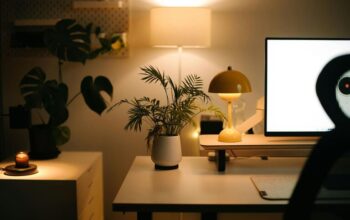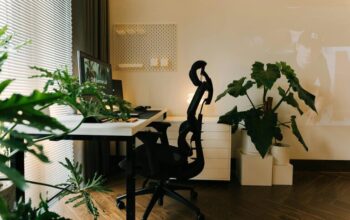
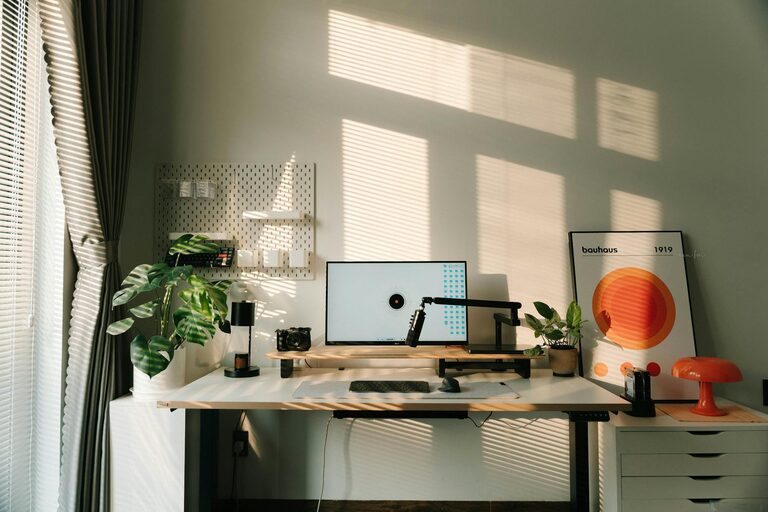
Creating a relaxing home office environment is essential for staying focused, productive, and reducing stress throughout your workday. Since many people now spend a significant amount of time working from home, having a dedicated, inviting workspace can improve your well-being and efficiency. This guide offers practical tips on setting up a home office that promotes calmness and creativity.
Choose the Right Location
The first step to a relaxing home office is selecting the best spot in your home. Ideally, pick a room or corner with minimal distractions and enough natural light. Natural light helps boost mood and alertness, so try to position your desk near a window if possible. If space is limited, use room dividers or shelving units to create a defined workspace separate from living areas.
Invest in Comfortable Furniture
Comfortable furniture is key to maintaining focus during long work hours.
– Ergonomic Chair: Choose a chair that supports good posture and reduces strain on your back.
– Adjustable Desk: A desk with adjustable height options allows you to alternate between sitting and standing.
– Footrest: A footrest can improve circulation and comfort while seated.
Taking these steps prevents discomfort and helps you stay productive throughout the day.
Declutter and Organize
A tidy workspace contributes significantly to mental clarity and relaxation. Keep your desk clear of unnecessary items and organize your supplies using drawer organizers, bins, or shelves. Here are some ideas:
– Use cable organizers to manage cords and chargers.
– Label storage containers for easy access to documents and stationery.
– Incorporate desk accessories like trays and pen holders to keep essentials at hand.
Regularly decluttering your workspace can also reduce stress and promote focus.
Use Soothing Colors and Decor
Colors affect mood, so choose calming hues for your office walls and décor. Soft blues, greens, and neutrals are known to create a soothing atmosphere. You can also:
– Add plants to bring freshness and purify the air.
– Hang art or photos that inspire or relax you.
– Use soft lighting options like desk lamps or floor lamps instead of harsh overhead lights.
Personal touches tailored to your taste make your office feel inviting and less like a traditional work environment.
Incorporate Natural Elements
Bringing nature indoors helps reduce stress and increase creativity. Apart from plants, try including natural materials in your office design:
– Use wooden furniture or accessories.
– Add a small water feature like a tabletop fountain.
– Include stones or crystals that have personal significance.
Natural elements can help create a peaceful ambiance that supports sustained focus.
Maintain Good Air Quality
Proper ventilation and air quality are crucial for comfort and health. Here are a few tips:
– Open windows regularly to allow fresh air circulation.
– Use an air purifier if needed to reduce dust or allergens.
– Avoid strong scents from candles or sprays that might cause headaches.
Clean, fresh air helps you breathe easier and feel more alert.
Set Boundaries for Work and Breaks
To maintain a relaxing environment, it’s important to establish clear boundaries between work and rest.
– Set specific work hours and stick to them.
– Take regular short breaks to stretch or rest your eyes.
– Use timers or apps to remind you to pause.
Creating a routine helps you avoid burnout and keeps your home office a stress-free zone.
Manage Noise Levels
Noise can be distracting and disrupt concentration. Depending on your household situation, try these options:
– Use noise-cancelling headphones or earplugs.
– Play calming background music, such as nature sounds or soft instrumentals.
– Consider installing soundproofing materials like rugs, curtains, or panels.
A quieter environment supports better focus and relaxation.
Keep Technology Streamlined
Limit the number of devices at your desk to avoid feeling overwhelmed. Organize your technology setup for efficiency:
– Place monitors at eye level to reduce neck strain.
– Use wireless devices to cut down cable clutter.
– Regularly update software and maintain your computer for smooth operation.
A well-maintained tech setup reduces frustration and helps keep you productive.
Personalize for Motivation
Finally, personalize your home office with items that motivate and uplift you. This might include:
– Inspirational quotes or vision boards.
– A favorite mug or a small collection of meaningful objects.
– A planner or journal to keep track of goals.
Personal touches make the workspace feel uniquely yours, supporting a positive mindset.
—
Making your home office a relaxing place doesn’t require a major renovation—small changes can make a big difference. By focusing on comfort, organization, and a calming atmosphere, you can create a space where work feels enjoyable and less stressful. Start with one or two of these tips and gradually personalize your environment to support your best workdays at home.