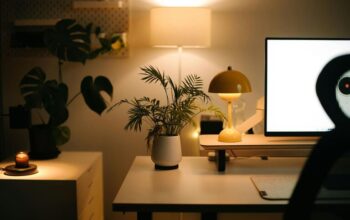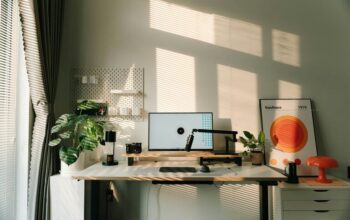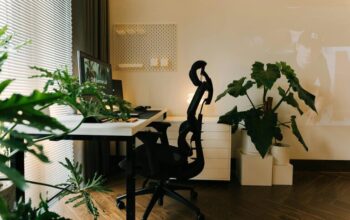
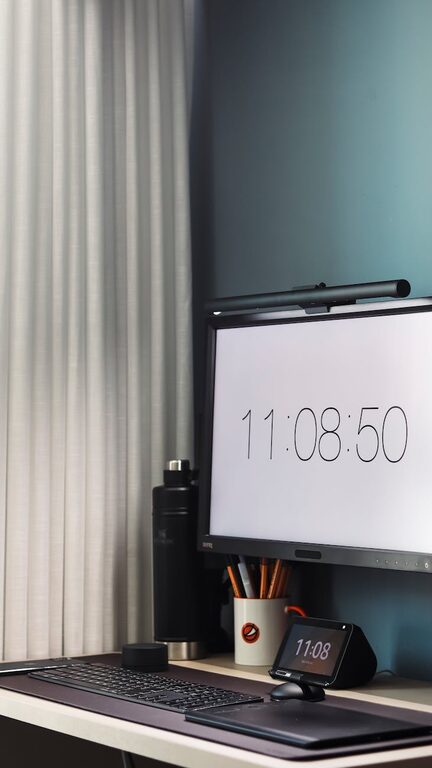
Creating a relaxing home workspace is essential for staying productive and maintaining your well-being while working from home. A space that promotes calm can reduce stress, improve focus, and make daily tasks more enjoyable. Whether you have a dedicated room or just a small corner, these tips will help you build a workspace that nurtures relaxation and productivity.
Choose the Right Location
Selecting the right spot in your home is the first step toward designing an effective workspace.
– Natural Light: If possible, pick a place near a window. Natural light boosts mood and energy, making work feel less tiring.
– Quiet Environment: Choose a spot away from household noise and distractions to help you stay focused.
– Space to Move: Make sure you have enough room for your desk, chair, and any other equipment without feeling cramped.
Invest in Comfortable Furniture
Comfort plays a major role in how productive and relaxed you feel during work hours.
– Ergonomic Chair: An adjustable chair with good back support prevents discomfort and promotes good posture.
– Desk Height: Your desk should allow your arms to rest comfortably at a 90-degree angle when typing or writing.
– Foot Support: If needed, use a footrest to reduce strain on your legs.
Organize Your Workspace Thoughtfully
A cluttered space can cause frustration and disrupt your concentration. Keeping your workspace neat and organized helps create a sense of calm.
– Minimal Essentials: Keep only the items you use daily within reach.
– Storage Solutions: Use shelves, drawers, or organizers to store supplies neatly.
– Cable Management: Organize cables with clips or ties to avoid tangles and visual clutter.
Add Personal Touches for Relaxation
Your workspace should feel inviting and reflect your personality, which can help you feel more relaxed and motivated.
– Plants: Adding greenery can improve air quality and add a refreshing touch.
– Artwork or Photos: Display uplifting images or art that inspire you.
– Soft Textures: A cozy rug or cushion can make the space feel warmer and more comfortable.
Control Lighting for Comfort and Focus
Proper lighting prevents eye strain and sets the tone of your workspace.
– Desk Lamp: Use a lamp with adjustable brightness for focused tasks.
– Avoid Glare: Position computer screens perpendicular to windows to minimize glare.
– Warm Light: Choosing bulbs with a warm color temperature can create a soothing atmosphere.
Maintain Good Air Quality and Temperature
A fresh, comfortable environment helps you stay alert and reduces discomfort.
– Ventilation: Open windows regularly or use an air purifier to circulate fresh air.
– Temperature Control: Keep the room at a comfortable temperature; too hot or cold can affect concentration.
Incorporate Break Areas and Movement
Taking short breaks and moving during the day refreshes your mind and body.
– Designate a Rest Spot: Create a small area with a comfortable chair for brief moments away from your desk.
– Stretch and Move: Set reminders to stand, stretch, or take a quick walk every hour.
Use Technology Wisely
Technology can enhance productivity but also be a source of distraction.
– Quiet Devices: Use noise-cancelling headphones or white noise apps to reduce background noise.
– Organize Digital Tools: Keep your desktop and applications tidy to avoid clutter in your digital workspace.
– Limit Notifications: Turn off non-essential notifications to maintain focus.
Establish a Routine to Enhance Relaxation
A consistent daily routine helps your brain shift into work mode and unwind afterward.
– Regular Hours: Try to start and finish work at the same times every day.
– Pre-work Ritual: Create a calming activity before starting work, such as making tea or a short meditation.
– End-of-day Routine: Use a closing ritual like tidying your desk or planning for tomorrow to signal the end of work.
—
By combining comfort, organization, and personal touches, you can create a home workspace that feels relaxing and supports your productivity. Remember, the best workspace is one that fits your unique needs and encourages a healthy balance between work and rest. Start small and adjust your space as you learn what helps you focus and feel at ease.